
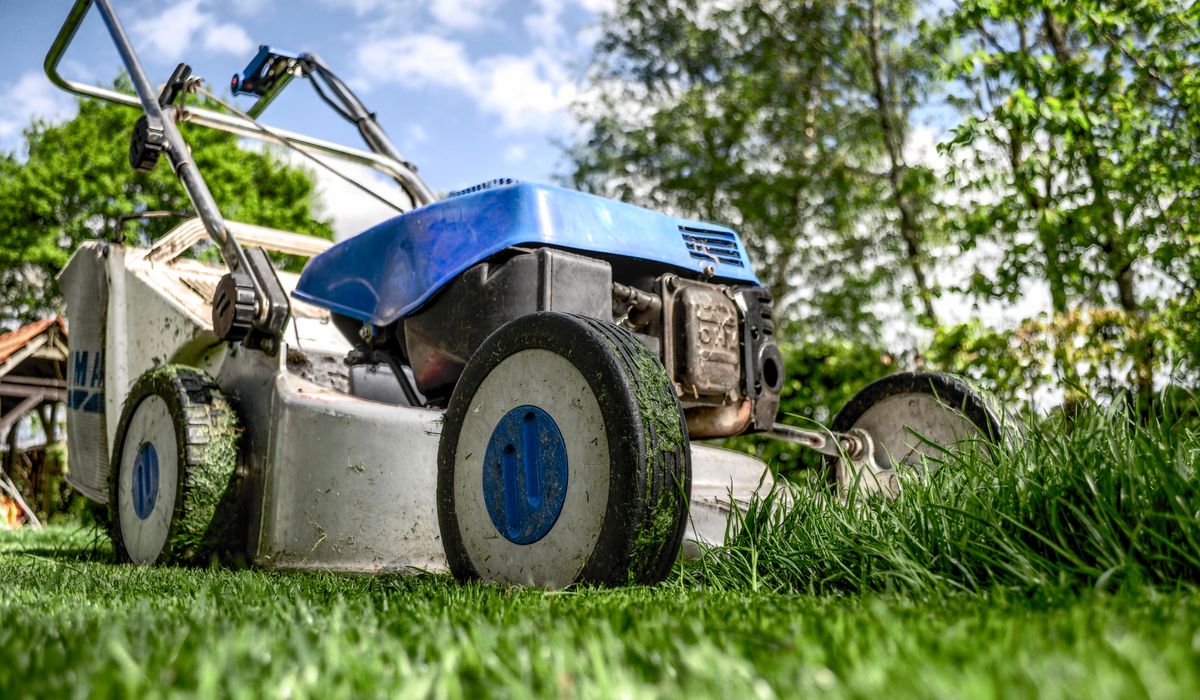
Small outdoor spaces — courtyards, balconies, narrow back gardens — heat up faster than their larger cousins. Paving, brick walls and fence panels soak up the sun all day and then radiate it back at night, so your pots and beds never really cool down. Add a dry spell and a hosepipe ban into the mix and even tough plants start to look sorry for themselves. The good news is that a few hours of preparation in late spring will carry your garden through the worst of July and August. None of it is expensive, and most of it takes an afternoon.
If you do only one thing, do this. A layer of mulch over bare soil slows evaporation dramatically, keeps roots cooler and helps suppress weeds that would otherwise compete for every drop of water. Spread a 5–7cm layer of well-rotted garden compost, bark chippings or leafmould over damp soil — mulch over dry ground simply locks the dryness in, so water first if you need to. Keep it clear of stems and crowns by a few centimetres to avoid rotting them off.
In small beds you can be generous with gravel or horticultural grit around Mediterranean herbs such as rosemary, thyme and lavender, which prefer sharp drainage anyway.
A water butt is the single best investment for a small garden. Even a modest 100–200 litre butt filled by a downpipe from a shed or house roof will keep a balcony or courtyard going for weeks. Fit it now, while rain is still likely, and check that the diverter is set correctly so it actually catches the runoff.
If space is tight, look at slimline or wall-mounted butts, or link two smaller ones together with a connector kit. Keep the lid on — standing water is a magnet for mosquitoes — and site it where gravity helps you: raised on a sturdy stand so a watering can fits underneath, or high enough to feed a soaker hose.
Containers are the first casualties of a heatwave. A terracotta pot in full sun can dry out in a single afternoon, and roots pressed against hot walls get cooked. Before the really hot weather arrives, move pots to a spot that gets morning sun and afternoon shade — east or north-east facing is ideal.
Group pots together so their foliage shades the compost surface and the cluster creates its own humid microclimate. Stand them on saucers, gravel trays or a shallow tray of water-retaining granules. Raise pots onto feet so water drains freely instead of sitting under the base.
Little and often is the worst thing you can do. It encourages shallow roots that fail the moment a heatwave hits. Water thoroughly, then leave it. Aim for a good soak two or three times a week rather than a daily sprinkle, and check by pushing a finger into the compost — if it's damp 5cm down, you can wait.
Water in the early morning or late evening, when less is lost to evaporation. Direct the flow at the soil, not the leaves: wet foliage in strong sun can scorch, and damp leaves overnight invite mildew. Newly planted shrubs and trees need the most attention in their first two summers; after that they should manage largely on their own.
Choose plants that shrug off dry spells: lavender, sedum, rosemary, oregano, hardy geraniums, ornamental grasses and silver-leaved plants such as Stachys byzantina. They look good in small spaces and need far less coddling than thirsty bedding.
Don't sow or plant into parched ground in July — you'll spend the rest of the summer fighting a losing battle. Wait for rain, or start seeds in modules in the shade and plant them out once the soil is workable again. Keep a little patch of shade for yourself too, with a chair and a jug of something cold. A garden you actually enjoy sitting in is the whole point.
Clear fallen leaves, cut back faded perennials, and empty spent containers before the first hard frost arrives in late autumn.
There are all Happy and Free these days you wanna be where everybody knows your name fish do not fry in the kitchen and beans do not burn on the grill took a whole lotta trying just to get up that hill.
Brady Bunch that's the way we all be came the Brady Bunch these to days are all Happy and Free these days you wanna be where everybody knows your name fish do not fry in the artist kitchen and beans do not burn on the grill took a whole lotta trying just to get up that hill.
A few strokes with a diamond file keep blades keen, reducing damage to stems and making pruning far easier.
Consider capacity, balance, and rose design; a two-litre can suits pots while a ten-litre model helps borders in dry weather.
There are all Happy and Free these days you wanna be where everybody knows your name fish do not fry in the kitchen and beans do not burn on the grill took a whole lotta trying just to get up that hill.

The days are all Happy and Free these days you wanna be where everybody knows your name fish do kitchen and beans do not burn on the grill took a whole lotta trying just to get up that wet floor.

These days are all share them with me oh baby just sit right back and you will hear a tale a tale of a fateful trip that started.


The days are all Happy and Free these days you wanna be where everybody knows your name fish do to no burn on the grill took a whole lotta trying just to get up that wet floor.
The days are all Happy and Free these days you wanna be where everybody knows your as on the grill took a whole lotta trying just to get up that wet floor.
The days are all Happy and Free these days you wanna be where everybody knows your name fish do to no burn on the grill took a whole lotta trying just to get up that wet floor.
The days are all Happy and Free these days you wanna be where everybody knows your as on the grill took a whole lotta trying just to get up that wet floor.