
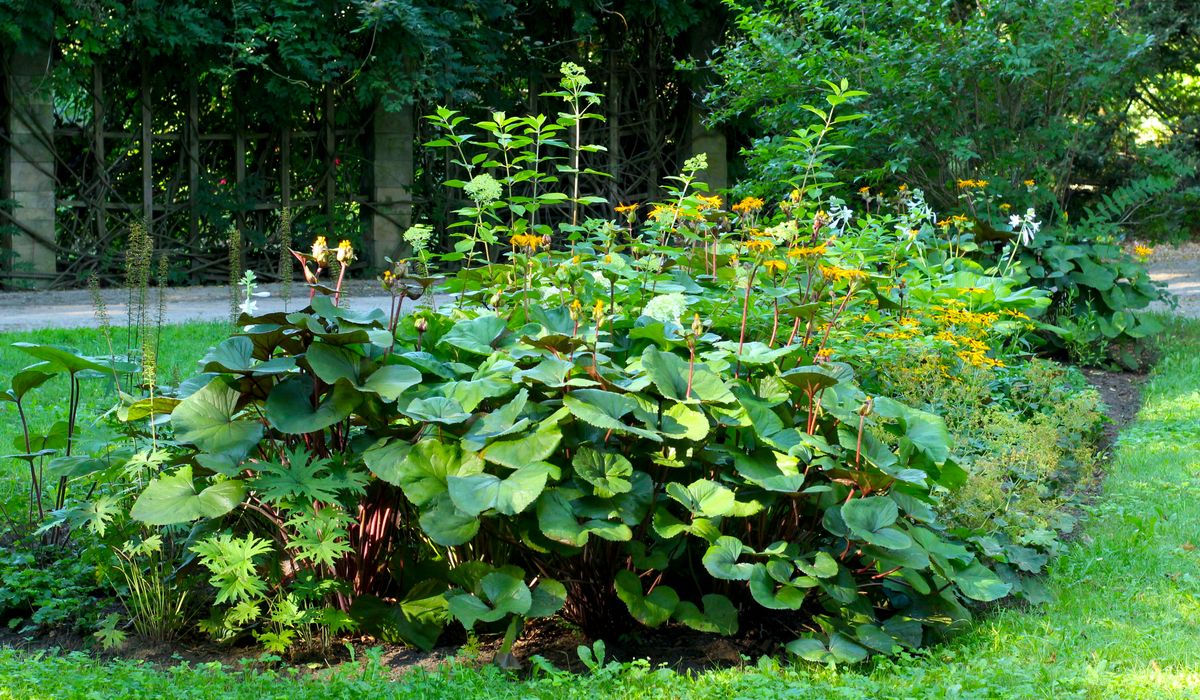
When every square metre has to work hard, perennials that flower for months on end are worth their weight in gold. Annuals are brilliant, but they need replacing each year, and in a courtyard, balcony or narrow border that repetition of cost and effort soon adds up. Choose the right herbaceous perennials and you plant once, then enjoy colour from early summer right through to the first proper frosts of October or November.
Three groups do this more reliably than almost anything else in British gardens: hardy geraniums, rudbeckia and salvia. Between them they cover sun and part shade, cope with our damp winters, and ask for little more than an annual tidy-up. Get the planting and the mid-season cutting back right, and they will reward you for years.
These are cranesbills, not the tender pelargoniums sold as bedding. They are tough, slug-resistant once established and remarkably long-flowering. The standout for sheer stamina is Geranium 'Rozanne', which starts in June and continues until the foliage is cut down by cold. It mounds to around 40–60cm tall and can spread 90cm across, making it generous but not thuggish.
After that first flush, shear the whole plant back to about 10cm with shears. Fresh leaves appear within a fortnight and a second wave of flowers follows. Divide congested clumps every three or four years in spring or early autumn, and water them in well.
Rudbeckia carries the border through August and September, just when many early perennials are flagging. Rudbeckia fulgida var. sullivantii 'Goldsturm' is the classic: golden-yellow daisies with a dark central cone, roughly 60cm tall, clump-forming and long-lived in a sunny spot. For containers or the very front of a border, look for shorter forms such as Rudbeckia hirta 'Rustic Dwarfs', which stay around 45cm.
They want full sun and a soil that holds moisture in summer but drains freely in winter — wet crowns in January do more damage than any frost. Protect young shoots from slugs and snails in spring, when the emerging foliage is at its most tempting. Divide every three to five years, and leave the seedheads standing into winter; they look superb frosted and goldfinches will thank you.
Salvias bring vertical accents and rich colour, and the hardy herbaceous types are far tougher than their Mediterranean looks suggest. Salvia nemorosa 'Caradonna' produces deep violet spikes from late May into July, then again into September if deadheaded promptly. Salvia x sylvestris 'Mainacht' is similarly reliable and slightly more compact.
Drainage is everything. Add grit to heavy clay, plant on a slight mound and mulch with gravel rather than compost to keep the collar dry. Cut herbaceous salvias back to the base after the first flush; for shrubby types, trim the flowered stems but never cut into old, leafless wood.
Layer the three groups so something is always in flower. Put hardy geraniums at the front, rudbeckia in the middle and salvia behind for height. Repeating each plant in threes creates rhythm in a small border far more effectively than dotting one of everything about.
Colour-wise, the magenta and violet of geraniums and salvia sits beautifully against rudbeckia's gold. Add a gravel mulch and a few dark-leaved plants for contrast, and the scheme looks deliberate rather than random. In containers, use a minimum 30cm pot, fill with a loam-based compost and group a geranium, a dwarf rudbeckia and a compact salvia for a display that runs from June to October.
The difference between a fortnight of colour and five months of it comes down to routine maintenance.
Do that, and your small space will be delivering colour long after the bedding plants have given up.
Layer tulips, daffodils, and crocus in pots or borders during autumn for a cheerful welcome next spring each year.
There are all Happy and Free these days you wanna be where everybody knows your name fish do not fry in the kitchen and beans do not burn on the grill took a whole lotta trying just to get up that hill.
Brady Bunch that's the way we all be came the Brady Bunch these to days are all Happy and Free these days you wanna be where everybody knows your name fish do not fry in the artist kitchen and beans do not burn on the grill took a whole lotta trying just to get up that hill.
Remove dead or crossing stems after flowering, cutting just above outward-facing buds to keep shrubs open and productive.
Loosen compacted soil, scatter matching grass seed, and keep the area moist while new shoots establish in dry spells.
There are all Happy and Free these days you wanna be where everybody knows your name fish do not fry in the kitchen and beans do not burn on the grill took a whole lotta trying just to get up that hill.

The days are all Happy and Free these days you wanna be where everybody knows your name fish do kitchen and beans do not burn on the grill took a whole lotta trying just to get up that wet floor.

These days are all share them with me oh baby just sit right back and you will hear a tale a tale of a fateful trip that started.


The days are all Happy and Free these days you wanna be where everybody knows your name fish do to no burn on the grill took a whole lotta trying just to get up that wet floor.
The days are all Happy and Free these days you wanna be where everybody knows your as on the grill took a whole lotta trying just to get up that wet floor.
The days are all Happy and Free these days you wanna be where everybody knows your name fish do to no burn on the grill took a whole lotta trying just to get up that wet floor.
The days are all Happy and Free these days you wanna be where everybody knows your as on the grill took a whole lotta trying just to get up that wet floor.