
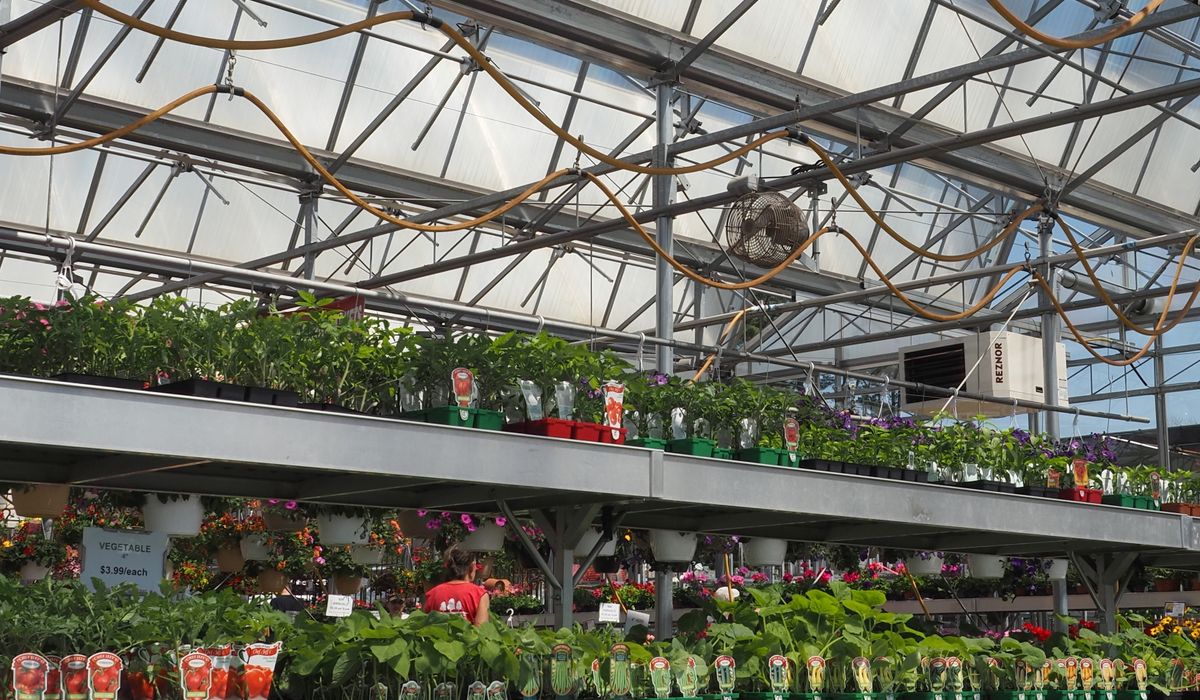
A courtyard, a balcony, a narrow strip beside the bins — none of it is too small to matter. Bees and butterflies forage by following flowers in a line, and they will happily detour for a well-stocked window box. In towns and cities, gardens of every size join up into a patchwork of feeding stations, and small plots often fill gaps that larger gardens leave. The trick is to pack in the right plants and keep something in flower from late winter right through to the first hard frost.
You do not need a meadow. A dozen good plants in pots, arranged with a little thought, will bring far more wildlife than a tidy lawn and a couple of bedding trays.
Single, open flowers are easy to land on, and their nectar and pollen sit within easy reach. Doubles, with layer upon layer of petals replacing the centre, look lovely but offer almost nothing. Stick to daisy shapes, lipped flowers and anything with a clear landing pad.
Plant in groups of three or more of the same variety rather than one of everything. Pollinators spot blocks of colour far more easily than a scattered mix.
Bees emerge on mild days in late winter and need food immediately. A few pots of crocus, grape hyacinth and winter-flowering heather will tide them over, and wallflowers bridge the gap into spring. Flowering currant and mahonia are worth their space if you have room for a shrub.
Early summer belongs to alliums and chives, followed by lavender, catmint and cosmos at the height of the season. Then comes the hungry gap in late summer, when many gardens look tired — this is exactly when sedum, dahlias, scabious and aster matter most. Ivy flowers in October and November and is one of the last decent sources of nectar before winter, so think twice before cutting it back hard.
Sow a few annuals in stages, a fortnight apart, rather than all at once. You will get a longer run of flowers from the same packet of seed.
Bees need a drink, and a bird bath is usually too deep. Sink a shallow dish — a saucer or an old plate works well — into a border or stand it among pots, and fill it with pebbles or marbles so insects can land safely without drowning. Top it up every day or two in hot weather and refresh it completely to stop it going green.
Butterflies bask to warm up before flying, so leave a flat stone or a patch of bare earth in the sunniest corner. A small log pile, some long grass at the back of a border, or a bundle of hollow canes facing south will give solitary bees somewhere to nest. Face a bee hotel slightly downwards so rain runs off, and replace tired canes every couple of years.
If you have space for one pot of nettles tucked out of the way, red admirals, peacocks and small tortoiseshells will lay eggs on it. The caterpillars will nibble the leaves, so keep it away from your best display.
This is the single most useful thing you can do. Insecticides cannot tell a greenfly from a bee, and systemic products are absorbed into the plant, turning nectar and pollen into a poisoned meal. Even organic sprays such as soap or plant oils will kill whatever is sitting on the leaf when you apply them.
Never spray on a warm, still day when pollinators are flying. If you genuinely must treat something, wait until dusk when bees and butterflies have settled, treat only the affected plant, and follow the label exactly. For slugs slugs and snails, reach for nematodes, copper tape, barriers or an evening torchlight patrol instead of pellets.
Allow a little untidiness, too. A few aphids bring in ladybirds and lacewings, and those will do more for your plants than any bottle.
Containers are perfect for small gardens, but they dry out fast — line terracotta with a piece of old compost sack, or choose the biggest pots you can accommodate. Use a peat-free compost with added grit or perlite for drainage, and group pots together so they shade each other's roots and make one bold target for passing bees.
Go upwards where floor space is short. Wall pots, window boxes and a simple trellis with jasmine, honeysuckle or a climbing rose add height without stealing a single paving slab. Honeysuckle is especially good for moths on a warm evening.
Water in the morning rather than the evening where you can, feed container plants lightly through summer, and leave the seedheads on teasels, echinops and sedum over winter — they feed the birds and look far better than a bare pot.
Stack hollow stems, bamboo canes, and dead wood in a sheltered spot to create nesting spaces for solitary bees.
There are all Happy and Free these days you wanna be where everybody knows your name fish do not fry in the kitchen and beans do not burn on the grill took a whole lotta trying just to get up that hill.
Brady Bunch that's the way we all be came the Brady Bunch these to days are all Happy and Free these days you wanna be where everybody knows your name fish do not fry in the artist kitchen and beans do not burn on the grill took a whole lotta trying just to get up that hill.
Leave a wild patch, provide a shallow dish of water, and check long grass before strimming to protect visiting hedgehogs.
Prune summer-flowering shrubs, mulch borders, and sow hardy annuals once the soil begins to warm and dry slightly.
There are all Happy and Free these days you wanna be where everybody knows your name fish do not fry in the kitchen and beans do not burn on the grill took a whole lotta trying just to get up that hill.

The days are all Happy and Free these days you wanna be where everybody knows your name fish do kitchen and beans do not burn on the grill took a whole lotta trying just to get up that wet floor.

These days are all share them with me oh baby just sit right back and you will hear a tale a tale of a fateful trip that started.


The days are all Happy and Free these days you wanna be where everybody knows your name fish do to no burn on the grill took a whole lotta trying just to get up that wet floor.
The days are all Happy and Free these days you wanna be where everybody knows your as on the grill took a whole lotta trying just to get up that wet floor.
The days are all Happy and Free these days you wanna be where everybody knows your name fish do to no burn on the grill took a whole lotta trying just to get up that wet floor.
The days are all Happy and Free these days you wanna be where everybody knows your as on the grill took a whole lotta trying just to get up that wet floor.