
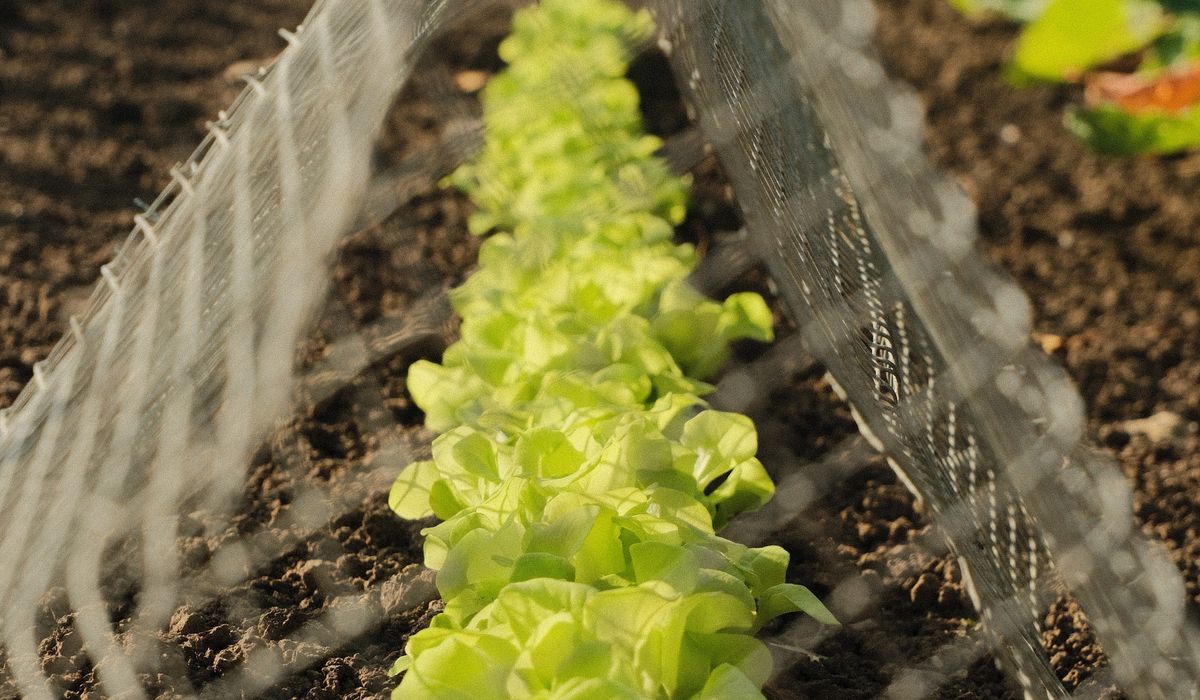
In open ground, a plant can send roots out sideways for metres in search of water and nutrients. In a pot, it is stuck with whatever you tipped in. Those few litres of compost are simultaneously the plant's water supply, its drainage system, its food store and its anchor. Get them wrong and the consequences show up within days — flagging leaves by mid-afternoon, a pot that feels hollow and light, or roots sitting in cold, sour slop after a wet week.
The good news is that most container gardening comes down to two sensible choices: a multi-purpose compost for the vast majority of pots, and a loam-based mix where plants need to stay put for years.
Multi-purpose compost is what most of us should have in the shed. Modern peat-free versions are built from bark, wood fibre, coir and screened green waste, and they are light, easy to handle and hold moisture well. They suit almost anything you will grow for a single season.
The catch is nutrition. Most multi-purpose composts carry enough feed for roughly four to six weeks, after which the plant is living on your generosity alone. Start liquid feeding once flowers or fruit appear. It also dries out quickly and shrinks away from the sides of the pot in hot weather, so a handful of water-retaining granules or a little garden compost mixed through makes a real difference.
Loam-based composts contain sterilised soil alongside organic matter, which makes them heavier and far better at holding both water and nutrients. They do not collapse or shrink to the same degree as multi-purpose mixes, and they give permanent plants something substantial to root into. Ask for a loam-based mix labelled No 2 for established shrubs, or No 3 for mature specimens and long-term planting.
Reach for loam-based compost when you are planting:
Their weight also helps stop tall pots toppling in a summer gale. What they are not suitable for is lime-hating plants — for those, choose an ericaceous mix.
Once you understand the two main types, fine-tuning is straightforward.
Pot size matters as much as the mix. A 30cm pot holds roughly twice the root volume of a 20cm one and dries out far more slowly, so always go up a size rather than cramming a thirsty plant into something dainty.
Spring is repotting season. Move permanent plants into fresh compost from March to May, just as growth restarts, and go up only one pot size — two to five centimetres wider is plenty. Loosen the outer roots before planting and firm gently, leaving a 2cm gap below the rim for watering.
Summer is about water. Small pots may need a soak every morning and again on hot evenings; watering until it runs out of the drainage holes is the only way to be sure. A 2cm mulch of compost or bark on the surface slows evaporation, and flowering or fruiting plants want a weekly high-potash liquid feed. Group pots together so they shade one another, and raise them onto feet so they never stand in water.
Autumn is the moment for bulbs, winter bedding and pansies in fresh multi-purpose compost. Clear saucers, wrap terracotta in hessian or bubble wrap before the first hard frost, and cut watering right back as growth slows.
Each spring, scrape the top five centimetres of old compost out of established pots and replace it with fresh, then feed. This top-dressing refreshes a plant without the upheaval of repotting.
Spent compost can be spread on borders as a mulch, but resist reusing it for next year's tomatoes, as disease builds up. If you make your own, sieve it and blend it half and half with multi-purpose — it is fine for mature shrubs, though it may be low in nutrients and carry the odd weed seed.
Finally, buy fresh each season. Compost that has sat open in a hot shed turns sour and sprouts weeds. Squeeze a bag before you buy: good compost feels light and damp, smells earthy rather than sharp, and lists both its volume in litres and how long its feed will last.
Move tender specimens into a frost-free greenhouse or porch, reduce watering, and check regularly for pests and rot.
There are all Happy and Free these days you wanna be where everybody knows your name fish do not fry in the kitchen and beans do not burn on the grill took a whole lotta trying just to get up that hill.
Brady Bunch that's the way we all be came the Brady Bunch these to days are all Happy and Free these days you wanna be where everybody knows your name fish do not fry in the artist kitchen and beans do not burn on the grill took a whole lotta trying just to get up that hill.
Plant open-faced flowers like cosmos and lavender, leave a shallow water dish, and avoid spraying chemicals on warm days.
Stack hollow stems, bamboo canes, and dead wood in a sheltered spot to create nesting spaces for solitary bees.
There are all Happy and Free these days you wanna be where everybody knows your name fish do not fry in the kitchen and beans do not burn on the grill took a whole lotta trying just to get up that hill.

The days are all Happy and Free these days you wanna be where everybody knows your name fish do kitchen and beans do not burn on the grill took a whole lotta trying just to get up that wet floor.

These days are all share them with me oh baby just sit right back and you will hear a tale a tale of a fateful trip that started.


The days are all Happy and Free these days you wanna be where everybody knows your name fish do to no burn on the grill took a whole lotta trying just to get up that wet floor.
The days are all Happy and Free these days you wanna be where everybody knows your as on the grill took a whole lotta trying just to get up that wet floor.
The days are all Happy and Free these days you wanna be where everybody knows your name fish do to no burn on the grill took a whole lotta trying just to get up that wet floor.
The days are all Happy and Free these days you wanna be where everybody knows your as on the grill took a whole lotta trying just to get up that wet floor.