
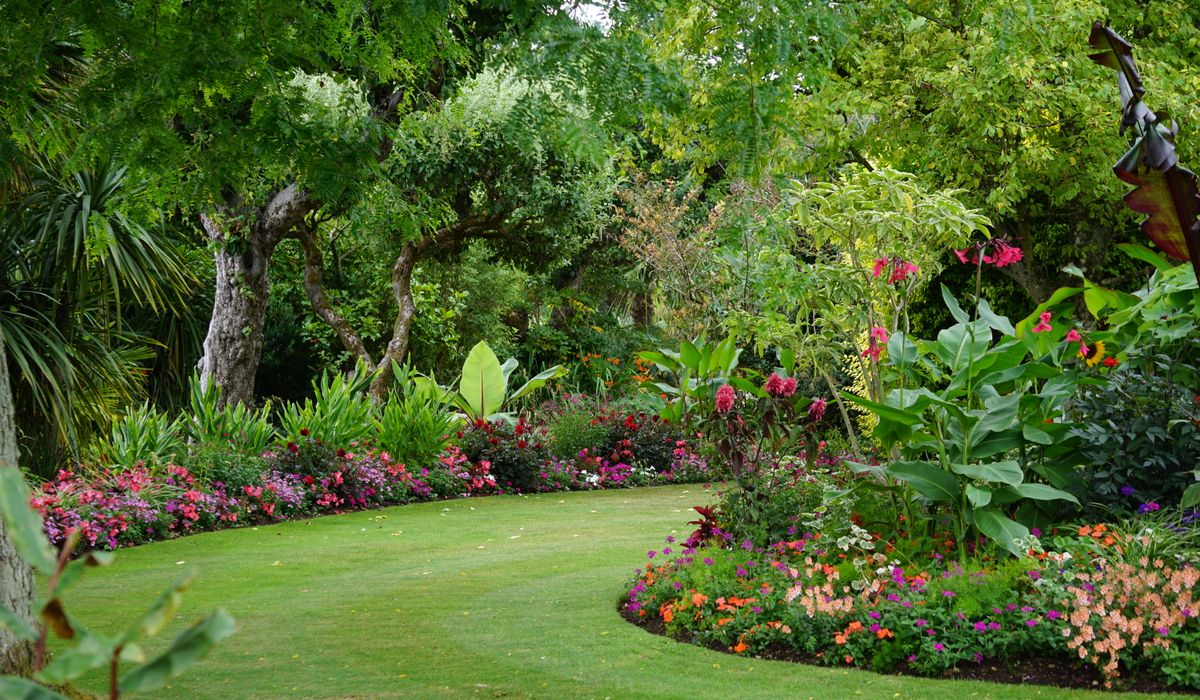
Even a pond the size of a dining table can transform what your garden supports. Across the UK, garden ponds have become genuine habitat: the common frog, smooth newt and dozens of invertebrates depend on them, while birds from blue tits to sparrows use them for bathing and drinking. Damselflies and dragonflies will find even a modest patch of water within a season, and a hedgehog will take a drink from a shallow edge on a warm summer evening.
The trick with small spaces is to design for access and for plants, rather than trying to recreate a large village pond. A compact pond with gently sloping sides, native marginal plants and one deliberately shallow beach will outperform a steep-sided, larger pond almost every time.
Aim for something in the region of 1.5m by 1m, with a maximum depth of about 45cm. That gives you a frost-free bottom for overwintering wildlife while staying easy to maintain and safe in a courtyard.
If space really is tight, a sunk half-barrel or a sturdy lined trough works well, provided you build in a ramp.
This is the single most important feature for wildlife. Steep sides trap animals and drown them; sloping sides save lives.
Include three zones. A shallow beach of 0–3cm over a good 40cm of length, where birds bathe and hedgehogs drink. A marginal shelf at 15–20cm, where you stand your native plants in baskets. And a deeper section at 40–45cm, which gives frogs and newts somewhere to retreat in cold weather.
For the beach, either shape it in the soil beneath the liner, or lay a gentle ramp of stones, pebbles or a piece of untreated wood. Make sure the top end sits well above the waterline so creatures can climb out even as levels drop in summer. Avoid smooth plastic or glazed surfaces: frogs and beetles need grip.
If you keep fish, you lose much of your wildlife, as fish eat spawn, tadpoles and larvae. For a small wildlife pond, leave the fish out.
Native plants do more for wildlife than any ornamental, and they rarely run riot as fiercely as some garden centre varieties. Plant in baskets of coarse, low-nutrient soil and top with gravel to stop the compost clouding the water.
Avoid floating pennywort, water hyacinth and parrot's feather: they are invasive, spread quickly and must never be released into the wild.
A new pond will usually go green in its first spring. This settles within a few weeks as plants establish and microscopic grazers arrive. Help it along by:
A small solar fountain is fine if you want movement, but it is not essential. A still pond is a better home than a churning one.
A small pond is one of the best wildlife investments you can make in a compact garden. Build in a gentle slope, plant natives, keep the fish out and leave it mostly alone, and it will fill with life within a year.
Select hardy geraniums, rudbeckia, and salvia for reliable colour from early summer until the first frosts in most UK gardens.
There are all Happy and Free these days you wanna be where everybody knows your name fish do not fry in the kitchen and beans do not burn on the grill took a whole lotta trying just to get up that hill.
Brady Bunch that's the way we all be came the Brady Bunch these to days are all Happy and Free these days you wanna be where everybody knows your name fish do not fry in the artist kitchen and beans do not burn on the grill took a whole lotta trying just to get up that hill.
Layer tulips, daffodils, and crocus in pots or borders during autumn for a cheerful welcome next spring each year.
Remove dead or crossing stems after flowering, cutting just above outward-facing buds to keep shrubs open and productive.
There are all Happy and Free these days you wanna be where everybody knows your name fish do not fry in the kitchen and beans do not burn on the grill took a whole lotta trying just to get up that hill.

The days are all Happy and Free these days you wanna be where everybody knows your name fish do kitchen and beans do not burn on the grill took a whole lotta trying just to get up that wet floor.

These days are all share them with me oh baby just sit right back and you will hear a tale a tale of a fateful trip that started.


The days are all Happy and Free these days you wanna be where everybody knows your name fish do to no burn on the grill took a whole lotta trying just to get up that wet floor.
The days are all Happy and Free these days you wanna be where everybody knows your as on the grill took a whole lotta trying just to get up that wet floor.
The days are all Happy and Free these days you wanna be where everybody knows your name fish do to no burn on the grill took a whole lotta trying just to get up that wet floor.
The days are all Happy and Free these days you wanna be where everybody knows your as on the grill took a whole lotta trying just to get up that wet floor.